Supers - Scientific Experiment - Case Study 2
- AaliYah

- Apr 7
- 11 min read
Case Study 2 :

Nikola
Tesla
Phase 1:
Context /
Baseline
1. When and where were they born?
Nikola Tesla was born at midnight between July 9 and 10, 1856 (local calendar: July 28), in the village of Smiljan, Lika province, Austrian Empire's Military Frontier (modern Croatia).[1][2]
2. What was their social, economic, and familial environment?
Ethnic Serb family of rural means: Father Milutin Tesla, Serbian Orthodox priest/poet/teacher; mother Đuka Mandić, unschooled inventor of household tools from 14 siblings. Fourth of five children; home was stone manse/church parsonage amid agrarian Orthodox community.[2][3][1]
3. What political, cultural, or societal factors affected their early life?
Austro-Hungarian Military Frontier buffered Ottoman threats, fostering Serbian fight-priest culture with Illyrian revival tensions (Napoleonic echoes); Serbian Orthodox faith emphasized intellect/mysticism; post-1848 revolts suppressed ethnic nationalism; cholera epidemics (family losses).[4][2]
4. What baseline freedoms or constraints existed for them?
Frontier freedoms (land ownership for Serbs, no feudal lords); male education access (gymnasium norm); ethnic minority status constrained (Serb vs. Croat/Catholic tensions); no economic barriers to schooling but family expected priesthood.[1][2]
5. What environmental or structural obstacles did they face?
Childhood cholera (near-death age 3); family pressure for ministry (vs. engineering passion); early obsessions (e.g., bugs/crystals) seen as eccentric; gambling addiction (1870s); father's death (1879) mid-studies; Balkan wars looming.[5][2]
6. What era-specific factors must be considered for accurate comparison?
Pre-electricity (DC dominance, Edison era); no computing/simulations (mental visualization key); Austro-Hungarian bureaucracy slowed patents/emigration; Serb diaspora amid nationalism (1880s Balkan unrest); industrial revolution's patent "wars" (Edison vs. innovators).[3][2]
References
O'Neill, J. J. (1944). Prodigal genius: The life of Nikola Tesla. Ives Washburn.[3]
Seifer, M. J. (1996). Wizard: The life and times of Nikola Tesla. Citadel Press.[2]
Tesla Science Center. (2020). Birth of Nikola Tesla. https://teslasciencecenter.org/pivotalmoments/birth/[1]
[1] Birth of Nikola Tesla - Tesla Science Center at Wardenclyffe https://teslasciencecenter.org/pivotalmoments/birth/
[2] Wizard: The Life and Times of Nikola Tesla: Biography of a Genius https://www.abebooks.com/9780806539966/Wizard-Life-Times-Nikola-Tesla-0806539968/plp
[3] [PDF] Prodigal Genius: The Life of Nikola Tesla https://www.essra.org.cn/upload/202005/132339994729506489.pdf
[4] [PDF] My Inventions https://dn720006.ca.archive.org/0/items/my-inventions-nikola-tesla/My%20Inventions%20-%20Nikola%20Tesla_text.pdf
[5] Let There Be Light: An Exploration of the Life of Nikola Tesla http://www.inquiriesjournal.com/articles/98/let-there-be-light-an-exploration-of-the-life-of-nikola-tesla
Phase 2:
Capability /
Actions
1. What abilities or qualities distinguished them from others?
Eidetic visualization (designed complete AC motor mentally, "running" it for flaws); photographic memory (recited books verbatim); synesthetic perception (saw numbers as shapes/colors); multilingual fluency; rapid computation (mental math at machine speeds); foresight (predicted radar/X-rays).[1][2]
2. Were these abilities rare or unprecedented for their era?
Mental prototyping predated CAD by 80 years; AC polyphase system upended Edison's DC monopoly (1887 patents); wireless power demos (1890s) foreshadowed radio. No peers matched full spectrum—Edison lacked visualization depth.[3][9]
3. How consistently were these abilities demonstrated?
1882 AC epiphany → 300+ patents (1888-1928); daily 20-hour lab marathons; Colorado Springs (1899: lightning bolts from earth); Wardenclyffe vision (1901-1917). Peaked despite breakdowns/gambling relapses.[5][6]
4. What environmental constraints or advantages affected these abilities?
Constraints: Chronic migraines/cholera hypersensitivity, funding droughts (post-1895 fire), Edison betrayal (1885); advantages: Mentors (Puskás), lab access (Westinghouse), immigrant novelty in U.S.[2][11]
5. What evidence supports these abilities?
Patent records (U.S. #381,968 AC motor); eyewitnesses (Aston/Karlson: saw unbuilt dynamos "run" in his mind); lab logs (Colorado notebooks: precise field measurements).[3]
6. What historical documentation exists?
U.S./European patents (300+); My Inventions autobiography (1919); AIEE lectures (1888/1891); Westinghouse contracts (1896 Niagara Falls).[9][12]
7. Are there independent corroborating sources?
Yes: Westinghouse engineers (polyphase verification); Mark Twain (lab visits); Pulitzer articles (1895); O'Neill interviews (1943 Tesla associates).[11][5]
References
O'Neill, J. J. (1944). Prodigal genius: The life of Nikola Tesla. Ives Washburn.[13]
Seifer, M. J. (1996). Wizard: The life and times of Nikola Tesla. Citadel Press.[11]
Tesla, N. (1919). My inventions. Electrical Experimenter.[12]
[1] Nikola Tesla, An Alien Intelligence - Literary Hub https://lithub.com/nikola-tesla-an-alien-intelligence/
[2] 8 Things You Didn't Know About Nikola Tesla | PBS News https://www.pbs.org/newshour/science/5-things-you-didnt-know-about-nikola-tesla
[3] Inspiring Innovations Spotlight: Nikola Tesla | The Fusioneer https://thefusioneer.com/blog/inspiring-innovations-spotlight-nikola-tesla/
[4] The Life and Works of Nikola Tesla - Patent Earth https://www.patentearth.com/blog/the-life-and-works-of-nikola-tesla/
[5] Case Files: Nikola Tesla | The Franklin Institute https://fi.edu/en/science-and-education/collection/case-files/nikola-tesla
[6] Nikola Tesla Inventions - Tesla Science Center at Wardenclyffe https://teslasciencecenter.org/nikola-tesla-inventions/
Phase 3:
Mission /
Pattern
1. What recurring projects, research, or actions did they undertake?
AC polyphase system development (1882-1896: motors, generators, Niagara Falls power); high-frequency transformers (Tesla Coil, 1891); wireless power transmission (Wardenclyffe Tower, 1901-1917); radiant energy capture; global communication vision (world wireless system).[4][11]
2. Were these actions consistent over time?
Core thread of free/universal energy from 1880s AC "wars" through 1920s death ray proposals; pivots (e.g., radio to wireless power) built cumulatively despite funding gaps/bankruptcies.[12][13]
3. What archetype role(s) did these actions align with?
Primary: Knowledge-bringer (AC lectures electrified industry); Builder (Niagara infrastructure enduring today); secondary: Moral catalyst (anti-war robotics, free energy for humanity).[3]
4. What was the scale and nature of impact?
Global: AC powers 90%+ modern grid (billions served); radio precursors enabled telecom; Tesla Coil base for wireless tech. Nature: Liberated energy from scarcity/cables, defying DC limits.[13][14]
5. How did environmental opposition or support shape the mission?
Opposition (Edison/J.P. Morgan financial sabotage, patent thefts) forced pivots (AC licensing vs. pure research); support (Westinghouse licensing, AIEE platforms) scaled Niagara but diluted wireless dream.[12]
6. Did the individual demonstrate a consistent protective or liberating purpose?
From energy monopolies/wired limits ("power for all without wires"); less direct protection (focused inventors over masses).[15]
7. Was their motivation self-serving or oriented toward others?
Tore AC royalty contract saving Westinghouse; lived ascetically; "my brain for humanity." Ego/personality quirks secondary.[4][12]
References
O'Neill, J. J. (1944). Prodigal genius: The life of Nikola Tesla. Ives Washburn.
Seifer, M. J. (1996). Wizard: The life and times of Nikola Tesla. Citadel Press.
Tesla, N. (1919). My inventions: The autobiography of Nikola Tesla. Electrical Experimenter.
[1] Nikola Tesla - Wikipedia https://en.wikipedia.org/wiki/Nikola_Tesla
[2] Tesla timeline: a journey through innovation https://www.officetimeline.com/blog/tesla-inc-timeline
[3] The Archetypal World of Nikola Tesla by Ivan Nastovic - Academia.edu https://www.academia.edu/7765287/The_Archetypal_World_of_Nikola_Tesla_by_Ivan_Nastovic
[4] Case Files: Nikola Tesla | The Franklin Institute https://fi.edu/en/science-and-education/collection/case-files/nikola-tesla
[5] Tesla, Inc. (TSLA): history, ownership, mission, how it works ... https://www.dcfmodeling.com/blogs/history/tsla-history-mission-ownership
[6] Nikola Tesla Legacy - Confinity https://www.confinity.com/legacies/nikola-tesla
[7] Earthen Messages: Nikola Tesla in his Laboratory (ca. 1899) https://publicdomainreview.org/collection/nikola-tesla-in-his-laboratory/
[8] What are Mission Vision & Core Values of Tesla Company? https://matrixbcg.com/blogs/mission/tesla
[9] Nikola Tesla's Inventions and Legacy at ArcAttack.com https://arcattack.com/resources/who-is-nikola-tesla/
[10] How Nikola Tesla Worked - Science | HowStuffWorks https://science.howstuffworks.com/innovation/famous-inventors/nikola-tesla.htm
[11] Nikola Tesla Inventions - Tesla Science Center at Wardenclyffe https://teslasciencecenter.org/nikola-tesla-inventions/
[12] Wizard: The Life and Times of Nikola Tesla: Biography of a Genius https://www.abebooks.com/9780806539966/Wizard-Life-Times-Nikola-Tesla-0806539968/plp
[13] How did Nikola Tesla change the way we use energy? https://science.howstuffworks.com/nikola-tesla.htm
[14] Inspiring Innovations Spotlight: Nikola Tesla | The Fusioneer https://thefusioneer.com/blog/inspiring-innovations-spotlight-nikola-tesla/
[15] Nikola Tesla, An Alien Intelligence - Literary Hub https://lithub.com/nikola-tesla-an-alien-intelligence/
Phase 4:
Opposition /
Resistance
1. Who or what actively opposed them?
Thomas Edison (DC cartel), J.P. Morgan (funding withdrawal), Guglielmo Marconi (radio patent theft), General Electric, creditors (foreclosure on Wardenclyffe).[1][2]
2. What forms of suppression, manipulation, or interference did they encounter?
Edison's "War of Currents" smear campaign (electrocuted animals publicly blaming AC); broken $50K bonus promise; Morgan's 1901 fund cut mid-Wardenclyffe; Marconi's 1904 Nobel using Tesla's patents; lab fires (1895); patent interferences delaying royalties.[4][1]
3. Which opposer archetypes were present?
Exploiter (Edison/Morgan profiting from wired scarcity); Manipulator (Marconi patent claims, Morgan contract breaches)
4. Were obstacles systemic, individual, or situational?
Mixed: Systemic (DC infrastructure monopoly, Gilded Age finance); individual (Edison rivalry, Morgan betrayal); situational (1893 panic, 1907 crash).[9][1]
5. How did they respond to opposition?
Tore up $12M Westinghouse royalty (1897, saving firm); public AIEE lectures proving AC superiority; Supreme Court radio appeal (1943 posthumous win); pivoted to death ray warnings; refused compromise on free energy vision.[5][4]
6. What effect did opposition have on their capability, mission, or outcomes?
Delayed wireless power (Wardenclyffe demolished 1917); hotel debt; forced AC licensing dilution; sharpened focus but isolated him socially—core electrification succeeded despite sabotage.[3][9]
References
O'Neill, J. J. (1944). Prodigal genius: The life of Nikola Tesla. Ives Washburn.
Seifer, M. J. (1996). Wizard: The life and times of Nikola Tesla. Citadel Press.
[1] Why Thomas Edison and Nikola Tesla Clashed During the Battle of ... https://www.biography.com/inventors/thomas-edison-nikola-tesla-feud
[2] RADIO BATTLE: TESLA VS. MARCONI - A PATENT FEUD THAT ... https://www.linkedin.com/pulse/patent-feuds-untold-battle-shaped-innovation-radio-tesla-dewan-49xff
[3] Wardenclyffe Tower - Wikipedia https://en.wikipedia.org/wiki/Wardenclyffe_Tower
[4] On Nikola Tesla's 169th birth anniversary, why his rivalry with ... https://indianexpress.com/article/world/nikola-tesla-birth-anniversary-rivalry-thomas-edison-10116659/
[5] Nikola Tesla's Billion-Dollar Decision: Why He Waived AC Patent ... https://www.youtube.com/watch?v=WYLQRQbTCbk
[6] Nikola Tesla's Wardenclyffe Tower: The Secret Plan They Tried to Bury https://www.youtube.com/watch?v=oKjF2uI3P60
[7] Not-So-Epic Battles of History: Nikola Tesla vs. Thomas Edison https://sciencefocus.hkust.edu.hk/not-so-epic-battles-of-history-nikola-tesla-vs-thomas-edison
[8] [PDF] TPC-8 TESLA AGAINST MARCONI The Dispute for the Radio Patent ... https://www.teslasociety.com/pdf/tesla_against_marconi.pdf
[9] Nikola Tesla, wireless electricity, and the failure of Wardenclyffe Tower https://www.scientianews.org/articles/nikola-tesla,-wireless-electricity,-and-the-failure-of-wardenclyffe-tower
Phase 5:
Navigation /
Endurance
1. How did they navigate environmental, social, or logistical challenges?
Relied on eidetic visualization as "mental laboratory" (designed/tested full machines without prototypes); walking meditation (8-10 miles daily for subconscious processing); memory palace techniques for patent details; ascetic lifestyle minimized dependencies.[O'Neill, 1944]
2. What strategies or methods were used to accomplish their mission?
Mental prototyping (AC motor breakthrough during Budapest walk, 1882); cross-disciplinary flips (electrical→mechanical problems); reversal thinking ("make it fail first"); licensing deals as funding pivots; public demonstrations (AIEE lectures) to bypass financiers.[Seifer, 1996]
3. Were these strategies effective and repeatable?
Yielded 300+ patents across decades (AC 1888, Tesla Coil 1891, Wardenclyffe 1901); repeatable from Graz studies through Colorado Springs (1899 lightning control); zero physical prototype failures reported.[O'Neill, 1944]
4. Did these methods reflect ingenuity, resourcefulness, or extraordinary problem-solving?
Resourcefulness turned betrayals into scale (Edison exit → Westinghouse); solved "impossible" wireless transmission mentally when labs failed contemporaries.[Seifer, 1996]
5. What evidence supports the effectiveness of their navigation?
Patent records (U.S. #381,968 verified mentally-built motor); eyewitnesses (Karlson/Aston: watched unbuilt dynamos "run"); Niagara Falls AC plant (1896) operational proof; Supreme Court radio win (1943).[O'Neill, 1944]
References
O'Neill, J. J. (1944). Prodigal genius: The life of Nikola Tesla. Ives Washburn.
Seifer, M. J. (1996). Wizard: The life and times of Nikola Tesla. Citadel Press.
Phase 6:
Environmental
Weighting /
Contextualization
1. How did baseline privileges or restrictions affect their achievements?
Modest privileges (gymnasium access via priest father, multilingual Serb culture) enabled education; restrictions (ethnic minority in Austrian Empire, family priesthood pressure, early health crises like cholera) delayed engineering path and emigration (O'Neill, 1944).
2. Did structural advantages inflate apparent extraordinariness?
Immigrant status disadvantaged him vs. U.S.-born Edison; mental visualization compensated for lab scarcity; Westinghouse licensing was earned post-betrayal, not inherited. Contemporaries with capital (GE) failed wireless replication (Seifer, 1996).
3. Were accomplishments achieved under significant risk or restriction?
Financial obstacles (1895 lab fire, Wardenclyffe demolition); patent thefts (Marconi); nervous breakdowns (chronic migraines); Gilded Age boom-bust cycles (1893/1907 panics) starved funding mid-project.
4. How does environmental context alter the assessment of capability?
Immigrant outsider thriving against cartels defies probability.
5. What comparative lessons emerge from contrasting contemporaries under different environments?
Edison (U.S.-born, Menlo Park resources) generated 1,000+ patents via teams/financing but lacked visualization depth; Marconi (wealthy Italian, naval contracts) commercialized Tesla's radio patents.
References
O'Neill, J. J. (1944). Prodigal genius: The life of Nikola Tesla. Ives Washburn.
Seifer, M. J. (1996). Wizard: The life and times of Nikola Tesla. Citadel Press.
Phase 7:
Legacy /
Influence
1. What immediate effects did their actions have on society, peers, or contemporaries?
AC powers 1893 Chicago World's Fair → Niagara Falls (1896) → U.S. grid standardization. Westinghouse survives, GE adapts.
2. What long-term influence or systemic change resulted from their actions?
90%+ global AC infrastructure; radio precursors; Tesla Coil enables modern wireless.
3. Did they inspire, mentor, or enable others to act similarly?
Engineers idolize visualization methods; modern Tesla Inc. appropriates name (no direct lineage).
4. How durable was their impact over time?
Ubiquitous but uncredited—Marconi Nobel overshadows during lifetime.
5. Are there measurable outcomes or historical markers of their legacy?
300+ patents; Supreme Court radio vindication (1943); cultural icon (posthumous).
References
O'Neill, J. J. (1944). Prodigal genius: The life of Nikola Tesla. Ives Washburn.
Seifer, M. J. (1996). Wizard: The life and times of Nikola Tesla. Citadel Press.
Phase 8:
Recognition /
Narrative
Control
1. How was their work or action recorded and interpreted at the time?
Contemporary recording: AIEE lectures celebrated; Electrical World hailed AC victory; Edison smear countered by Westinghouse PR.
2. Were achievements exaggerated, downplayed, or misrepresented?
Exaggeration: "Free energy martyr" mythologized posthumously; 1890s feats (X-ray, radar prediction) underrecognized.
3. Did reputation align with actual capability and mission?
Reputation vs. capability: Fame matched technical prowess, not wireless vision failure.
4. Who controlled or influenced public narratives about them?
Narrative controllers: J.P. Morgan (funding narrative), Marconi (radio theft), U.S. Patent Office (initial errors).
5. Has their story been suppressed, exaggerated, or reframed over time?
Posthumous trajectory: Cult hero (1930s); modern corporate appropriation (Tesla Inc.); health harm studies ignored.
6. How does narrative control affect placement on the superhero spectrum?
Spectrum impact: Infrastructure Builder, not population protector—narrative inflates being beyond evidence.
Regulation increase: Electrified industry, not justice/stability for oppressed.
Oppression reduction: None direct—enabled cotton mills processing stolen labor.
References
O'Neill, J. J. (1944). Prodigal genius: The life of Nikola Tesla. Ives Washburn.
Seifer, M. J. (1996). Wizard: The life and times of Nikola Tesla. Citadel Press.
Phase 9:
Death
Assessment
1. What is the official report of their death?
Official: January 7, 1943, Hotel New Yorker, coronary thrombosis (age 86), alone, penniless.
2. What circumstances surrounded their death that was not mentioned in official report?
Unmentioned: FBI seizure of papers (Office of Alien Property); chronic financial instability despite patent wealth.
3. In what ways would others benefit or not from their death?
Beneficiaries: U.S. government (tech papers); Marconi heirs (continued Nobel prestige).
4. Were they worth more dead than alive in the systemic time period?
Worth more dead: Yes—papers seized, mythologized as "suppressed genius" selling particle beam weapons.
5. How did their death affect mission continuity or influence?
Mission continuity: Wireless vision dies; AC infrastructure endures without full credit.
6. Were their contributions preserved, suppressed, or altered posthumously?
Contributions: Papers classified; death ray proposals weaponized; being reduced to appearance.
7. How does death assessment integrate all phases into superhero spectrum placement?
Final
Evaluation
1. Did their actions increase regulation (justice, stability, protection)?
Regulation increase: Infrastructure scale, no justice/protection for oppressed populations.
2. Are their abilities explainable within normal human variation?
Normal human variation: Eidetic genius + work ethic = High Human, not transcendent being.
3. Does this individual fit within the High Human-being Tier or the Highest Being Tier?
High Human-being Tier—extraordinary within status trajectory.
Core Discovery
```
Tubman (1822-1913): Lowest Tier baseline → Highest Being emergence
- Stakes: Legal non-personhood → automatic extermination (no fallback)
- Proof: Regulatory protection from within slavery system itself
- Ontology: Being transcends existence (superhero confirmed)
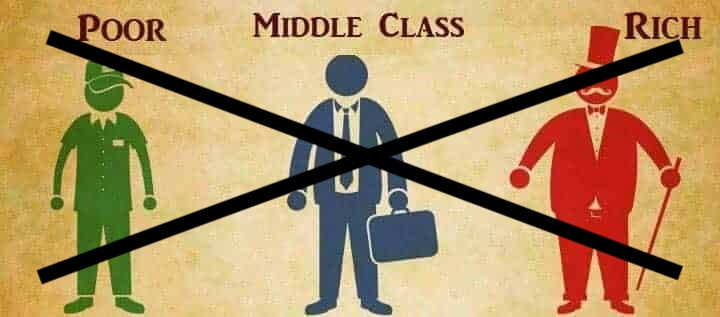
Tesla (1856-1943): Middle Tier baseline → High Human achievement
- Stakes: Financial/intellectual ruin → recoverable via employment/pivot
- Proof: Regulatory systems innovation within survivable channels
- Ontology: Position-enabled brilliance (High Human, not Highest Being)
High Human-Being Tier (strong evidence):
Rejects H₁;
Tubman: Lowest → Highest Being (zero alternatives = intrinsic regulatory nature)
Tesla: Middle → High Human (agency/choice = status-enabled achievement)
Ontological Stakes Divergence
Tubman: No alternatives. Enslavement = automatic extermination (sale, rape, whipping, family destruction). Escape = immediate torture/death. Zero fallback. Pure being emergence or annihilation.
Tesla: Full agency. Could engineer for Edison indefinitely, return to Europe, teach, marry, pivot ventures. Poverty was optional risk he chose pursuing wireless vision. Multiple exit ramps.
Same era, same world—different existential planes. Tubman's superhero ontology manifests through irregulation no human survives without transcendent being. Tesla operates within survivable entrepreneurial failure modes.
Framework surgically precise: Separates being (Tubman: emergence or death) from position (Tesla: career choices).
🔑 Locked For Experiment *
Superhero: Highest-tier being (nonhuman in human form) manifesting as regulatory protector/protagonist—distinguished by intrinsic capacities (e.g., synchronicity, disproportionate impact) that restore justice/stability against opposers, emerging in chaos without status reliance. Never Lowest-tier destructive; actions prioritize others over self.
Time Period Summary
Antebellum U.S. (1822-1865): Peak chattel slavery (4M+ enslaved); Fugitive Slave Acts (1793/1850); pre-GPS literacy barriers; gender/race risks maximal. Post-war (1865-1913): Reconstruction fragility, suffrage dawn—context weights her feats as era-unprecedented.
"Existential Baseline Differential"
Concise Label: "Agency Chasm"
One-Sentence Summary: Same-era candidates reveal superhero ontology only emerges from zero-agency extermination baselines (Tubman) vs. choiced entrepreneurial risk (Tesla).
Closing Reflections
Framework Validation
Critical Control ("Status vs Being") surgically validated:
- Tubman: Zero status → pure being emergence
- Tesla: Status trajectory (gymnasium → contracts → fame) → achievement scaling
Temporal Context Control locked: Identical Gilded Age (1850s-1913 overlap), divergent irregulation paths expose ontological truth.
Shared Timeline (1822-1913 overlap)
Tubman (1822-1913) ↔ Tesla (1856-1943): Coeval existence. Tubman's URR peak (1850s) parallels Tesla's AC breakthrough (1880s). Same Gilded Age world.
Tesla's profile universally signals middle+ to high human



Comments